FROM ALL EVIL

A Study in Psalm 121:7

B.V. Thomas  |  The Hermeneutical Quill

I. THE PAUSE ON TWO WORDS

There are moments in Scripture where a single phrase arrests the reader mid-breath. Not because it is obscure, but because it is too large. The mind moves across it quickly, assumes it understands, and passes on. But the Spirit does not always permit that passage.

Psalm 121:7 is one such place.

The LORD shall preserve thee from all evil.

The promise is familiar. Perhaps too familiar. It has been quoted at bedsides, whispered before journeys, inscribed on the walls of nurseries and the margins of well-worn Bibles. Its cadence is so settled that the reader may receive it as comfort without ever stopping to reckon with its weight.

But what if we stopped at two words?

All evil.

Not some evil. Not most evil. Not the evil you can name and anticipate. The text does not negotiate or qualify. It simply says all.

And that word, if taken seriously, is either the most audacious promise in the Bible — or the most carelessly read.

The meditation that produced this article began there. Not with a theological system, but with a pause. A man sitting with the text, reading slowly, and finding that two words refused to move until they were examined.

What does the original language mean when it says all evil?

That question is the door. And everything that follows walks through it.

II. THE HEBREW DEPTH: RĀʾ

The original text of Psalm 121:7 reads:

יְהוָה יִשְמָרְךָ מִכָּל־רָע

YHWH yishmorcha mikkol rāʾ

Three elements demand attention.

Yishmorcha — the Lord shall keep, guard, watch over, preserve. The word carries the image of a sentinel who does not look away, a shepherd who does not sleep, a wall that does not shift. This is not a God who sets a principle in motion and steps back. This is a God who watches.

Mikkol — from all, every kind of, without exception. The prefix min indicates separation from, and kol means the totality, the whole, the entirety. There is no subset carved out. No asterisk appended. Mikkol is a closed category.

But it is the third word that opens everything.

Rāʾ — and here the Hebrew refuses to be tidy.

The word is not a narrow term for a specific category of harm. It is broad, deliberately so, and carries at minimum four distinct registers of meaning.

First, moral evil — wickedness, sinful intent, the corruption of what God made good. Rāʾ is used of the wickedness of men before the flood, of the evil counsel of the wicked, of the malice of enemies.

Second, physical harm — danger, injury, violence, attack. The word appears in contexts of bodily threat, of enemies who seek a man’s life, of disasters that fall upon the body.

Third, calamity and adversity — trouble, affliction, suffering, disaster. Not necessarily caused by moral wickedness, but belonging to the category of what is destructive and painful. Famine, plague, the collapsing of what man depends upon.

Fourth, and most theologically precise — anything ultimately detrimental to God’s purpose for His child. This is where rāʾ exceeds the merely experiential. It reaches into the realm of what threatens not just the body, not just the present moment, but the whole trajectory of a man’s life before God.

The promise of Psalm 121:7 is therefore not, nothing unpleasant will ever happen to you. That reading domesticates the text and sets it up for apparent contradiction every time a believer suffers. Rather, the promise is this: nothing that belongs to the category of rāʾ — in any of its registers — will have final dominion over the one whom the Lord keeps.

The Keeper is not promising a smooth road. He is promising that no evil, in any of its forms, will be permitted to accomplish what evil intends: the destruction of the one whom God has undertaken to preserve.

Mikkol rāʾ. From all evil. Every shade of it. Every register. Every threat it carries.

The word is as wide as what fell upon man at the Fall. And the promise is as absolute as the One who makes it.

III. THE GREEK CONFIRMS: KAKOU

When the Hebrew Scriptures were translated into Greek — the version known as the Septuagint, which the apostles themselves quoted and the early church carried — the translators faced the same word.

Rāʾ.

And they did not soften it.

Psalm 121:7 in the Septuagint reads:

Κύριος φυλάξει σε ἀπὸ παντὸς κακοῦ

Kyrios phylaxei se apo pantos kakou

The structure mirrors the Hebrew precisely. Phylaxei — will guard, will keep watch over, will protect. Pantos — all, every, without remainder. Kakou — from kakos, the Greek word that carries its own formidable range.

Kakos in classical and biblical Greek means: evil, harmful, injurious, bad, malignant, morally corrupt. It appears throughout the New Testament in contexts that span the full breadth of what opposes human flourishing and divine purpose.

What is significant here is the witness of two languages converging on the same refusal to qualify.

Hebrew says: mikkol rāʾ — from all evil, in every register.

Greek says: apo pantos kakou — from all evil, in every shade.

Neither language flinches. Neither translator reached for a more modest term. The Septuagint, produced by men steeped in the Hebrew text and its covenantal weight, chose a Greek word that carried the full freight of the original.

This matters for the reader of the New Testament. When Paul prays in 1 Thessalonians 5:23 that the believer’s whole spirit and soul and body be preserved blameless, or when Jude doxologizes the God who is able to keep us from falling, or when the Lord instructs His disciples to pray deliver us from evil — they are drawing from the same well.

Two languages. Two vocabularies. One refusal to limit the promise.

The God who spoke in Hebrew did not become more cautious when His word crossed into Greek. The scope of the pledge did not narrow in translation. If anything, the convergence of both tongues on the same comprehensive term is itself a kind of testimony — that what the Psalmist declared under the Spirit’s breath was not hyperbole, not poetic excess, but covenantal precision.

IV. THE HUMAN CRY BEHIND THE PROMISE

Scripture does not descend from abstraction. It rises from the ground — from men and women who knew what it was to be afraid.

The promise of Psalm 121 was not composed in a philosopher’s study. It was forged in a world where roads had robbers, where armies surrounded cities, where drought could consume a household, where a king’s jealousy could make a man a fugitive for years. The person who first read these words understood vulnerability not as a theological category but as a daily condition.

And this is not incidental to the text. It is the texture of it.

From the beginning, the Bible records men who felt the weight of their frailty and cried upward. Not as a failure of faith, but as its first movement.

Abraham, called and covenanted, stood before Pharaoh and feared for his life. He said to Sarah:

Say, I pray thee, thou art my sister: that it may be well with me for thy sake; and my soul shall live because of thee. — Genesis 12:13

The patriarch who would later be called the father of faith resorted, in that moment, to a half-truth. Not because he had forgotten God, but because he knew he was mortal and breakable and afraid. His body could be killed. His wife could be taken. The promise of God felt distant in the shadow of Pharaoh’s court.

And yet — God did not say, your lie preserved you. He intervened. He plagued Pharaoh’s house. He protected Sarah. He preserved Abraham despite Abraham, not because of him.

Jacob feared Esau and arranged his household in order of expendability. Jehoshaphat stood before invading armies and declared, We have no might against this great company; neither know we what to do: but our eyes are upon thee. Hezekiah received a letter threatening the annihilation of Jerusalem and spread it before the Lord. The disciples woke Jesus in a sinking boat:

Master, carest thou not that we perish? — Mark 4:38

These are not moments of weak faith rebuked by a disappointed God. They are the recurring posture of creatures who know what they are — dust, breath, flesh — crying to the One who made them.

Jabez prayed with the same instinct. His name itself meant pain, and he carried that weight into the presence of God and asked: Keep me from evil, that it may not grieve me. Scripture records no correction of his request. Only this:

And God granted him that which he requested. — 1 Chronicles 4:10

The Lord Jesus did not rebuke the human cry for protection. He canonized it. He taught His disciples to close their prayer with these words: Deliver us from evil. The same root. The same reach. A petition placed on the lips of every believer in every age.

What this reveals is something the text has been implying from the beginning.

The cry for preservation is not a failure to trust God. It is trust, expressing itself honestly from the ground of human vulnerability. The saints did not pretend they were invincible. They simply looked up and said: I cannot keep myself. Will You?

And God, again and again, answered.

Because the promise was never, You will feel no fear.

It was, The LORD is thy keeper.

V. THE LORD’S INITIATIVE

There is a detail in the structure of divine preservation that must not be passed over.

Man did not negotiate this promise out of God. God spoke it first.

This is not a covenant wrung from heaven by persistent human pleading. The pledge of preservation was not reluctantly conceded after enough prayers accumulated. God did not wait for the patriarchs to demonstrate sufficient worthiness before He offered protection. He stepped into their vulnerability and announced Himself as Shield before they knew they needed one.

When Abram had returned from battle, before he could assess his situation or formulate a request, God came to him in a vision and said:

Fear not, Abram: I am thy shield, and thy exceeding great reward. — Genesis 15:1

The initiative was entirely divine. Abram had not asked for a shield. God declared Himself one.

At the burning bush, God identified Himself to Moses as the God who had seen the affliction of His people, who had heard their cry, who knew their sorrows — and who had come down to deliver them. The verbs move in one direction: downward, from God toward man, before man had mounted any theological argument for why he deserved intervention.

When Elisha’s servant woke in terror to find the Syrian army surrounding Dothan, he had not yet prayed. He had not yet even processed the threat. But the chariots of fire were already there. The heavenly host was already positioned. Elisha’s calm was not the calm of a man who had just arranged supernatural protection. It was the calm of a man who knew that God had already arranged it:

Fear not: for they that be with us are more than they that be with them. — 2 Kings 6:16

The protection preceded the knowledge of the protection. The encampment was there before the servant’s eyes were opened to see it.

This is the character of the Keeper.

He does not wait for His people to fully articulate their need before He moves. He does not require a theologically precise prayer before He stations His angels. He keeps because He is the Keeper. That is who He is before it is anything He does.

Psalm 121 itself reflects this logic. The psalm does not begin with a command to perform certain actions in order to secure God’s protection. It begins with an orientation — I will lift up mine eyes unto the hills — and immediately grounds the believer in a reality that already exists:

My help cometh from the LORD, which made heaven and earth. — Psalm 121:2

The help is not being negotiated. It is being received. The God who made heaven and earth has already positioned Himself as the source of help before the pilgrim takes another step.

What the New Testament reveals is that this divine initiative found its ultimate expression not in angelic encampments or providential interventions, but in the blood of the Son.

God did not look at the full scope of rāʾ — moral corruption, physical harm, calamity, the curse, death, the devil, separation — and say, If my people meet certain conditions, I will address some of these. He looked at everything that threatened His image-bearers and moved comprehensively against it.

No one asked God to do this on these terms. No patriarch negotiated the incarnation. No prophet designed the atonement. God looked at the full register of mikkol rāʾ and pledged Himself against every shade of it — through a cross that man did not design and could not have imagined.

The Keeper acted first.

He always does.

VI. CHRIST AS THE COMPREHENSIVE ANSWER

When the Son of God stood in human flesh and asked:

What shall it profit a man, if he shall gain the whole world, and lose his own soul? — Mark 8:36

He was not introducing a new concern. He was answering the oldest one.

From the moment the curse fell in Eden, man has known — however dimly, however distorted by self-deception — that he is vulnerable. Not merely to external threats, but to something deeper. The patriarchs feared enemies and famines. But beneath those fears was a more fundamental exposure: the soul itself, the person made in God’s image, was endangered. Not just the body that could be killed. Not just the life that could be disrupted. The very self that God had breathed into being stood in jeopardy.

And the Lord’s question cuts to that reality with surgical precision.

You may preserve everything external — possessions, reputation, safety, longevity — and still lose the thing that makes you irreplaceable in all of creation. You may gain the whole world and forfeit you. And what, He asks, would you give to get that back?

The implied answer is: nothing in creation is sufficient.

But God answered it with something creation could not provide.

The blood of His Son.

And this is where mikkol rāʾ — all evil, in every register — meets its comprehensive response. Because the threats against man were never merely external. They came from without and from within. They were moral and physical, temporal and eternal, corporate and deeply personal. Sin corrupted from the inside. Death claimed from the outside. The devil accused and afflicted. The curse spread through the ground of human existence itself. Fear displaced trust. Guilt severed communion. Corruption worked its way into the image of God until what remained bore the wounds of everything rāʾ could accomplish.

Christ did not come to address one register of evil.

He came to dismantle the entire structure of it.

He shall save His people from their sins. — Matthew 1:21

That through death He might destroy him that had the power of death, that is, the devil. — Hebrews 2:14

The last enemy that shall be destroyed is death. — 1 Corinthians 15:26

Christ hath redeemed us from the curse of the law. — Galatians 3:13

Perfect love casteth out fear. — 1 John 4:18

Neither death, nor life… shall be able to separate us from the love of God which is in Christ Jesus our Lord. — Romans 8:38–39

Each of these is not a separate doctrine loosely associated with the others. Together they constitute God’s answer to the full breadth of rāʾ — the systematic undoing of everything that evil, in every shade, was permitted to accomplish against the image-bearer.

And Paul, who understood this with greater clarity than perhaps any other writer of the New Testament, draws the thread together in one prayer:

And the very God of peace sanctify you wholly; and I pray God your whole spirit and soul and body be preserved blameless unto the coming of our Lord Jesus Christ. — 1 Thessalonians 5:23

Spirit. Soul. Body.

The entire person. The full human being. Nothing partitioned off as beyond the reach of God’s preserving purpose.

Rāʾ threatened the spirit through apostasy and separation from God. Christ preserves the spirit through the new birth, the indwelling of the Holy Spirit, and the intercession He makes unceasingly before the Father.

Rāʾ threatened the soul — the mind, will, and affections — through corruption, deception, and the accumulated weight of guilt. Christ addresses the soul through sanctification, through the renewing of the mind, through the peace that guards what human reasoning cannot protect — the same guarding Paul describes in Philippians 4:6–7, examined at length in The Sentry That God Sends.

Rāʾ threatened the body through weakness, disease, death, and the dissolution that the curse made inevitable. Christ answers the body not by immunizing it from mortality but by pledging it to resurrection — so that even death is not the final word over the flesh God made and the Son redeemed.

This is not preservation at a distance. This is not God promising to minimize losses while the real enemies remain standing. This is the comprehensive dismantling of everything mikkol rāʾ could bring to bear against the person whom God created in His image and purchased with His blood.

Paul closes the prayer in 1 Thessalonians 5 not with a qualified hope but with a declaration of certainty:

Faithful is He that calleth you, who also will do it. — 1 Thessalonians 5:24

The One who pledged is the One who performs. The Keeper does not outsource the keeping. He undertakes the whole person — spirit, soul, and body — and carries that person through everything rāʾ could construct against them, until He presents His Church holy and without blemish (Ephesians 5:27), faultless before the presence of His glory with exceeding joy (Jude 24).

VII. WHAT “ALL” FINALLY MEANS

We began with a pause.

A man reading Psalm 121:7 slowly, and finding that two words would not release him until they had been examined. All evil. The question was simple: what does the original language actually mean when it says all?

The answer, as we have seen, is that it means precisely what it says — and then more.

Mikkol rāʾ. From all evil. The Hebrew refuses to narrow the category. Moral corruption, physical harm, calamity, adversity, anything that could ultimately frustrate God’s redemptive purpose for the one He keeps. The word rāʾ is not tidy. It is as wide as the Fall and as deep as the damage the Fall produced.

The Greek stands with the Hebrew. Apo pantos kakou. Every shade of harm, malice, injury, and corruption. Two languages, two vocabularies, one refusal to qualify the promise.

And then the whole of Scripture rises to show what that promise has always meant.

It meant that when Abraham feared for his life and reached for a lie, the Keeper preserved him despite the lie — not through it. It meant that when Jabez, whose very name was pain, asked to be kept from evil, God did not correct the request. He honored it. It meant that when a servant woke in terror to find an army surrounding his city, the chariots of fire were already there. The keeping preceded the seeing.

It meant, finally, that when God looked at the full register of what rāʾ had done to His image-bearers — the interior corruption, the broken communion, the curse, the death, the devil, the fear, the guilt, the slow unraveling of everything He had made good — He did not address one thread of it. He moved against the whole.

Through blood.

His Son’s.

And this is what all finally means.

It means that the Lord’s pledge in Psalm 121 was never a narrow promise about smooth journeys, though it has rightly comforted travelers in every generation. It was a covenantal declaration by the God who made heaven and earth, who neither slumbers nor sleeps, who stations His angels and commands His hosts and gave His Son — that nothing, in any register of evil, would be permitted to accomplish what evil intends against the one whom He keeps.

What does evil intend?

Ultimately, one thing: separation. The sundering of the creature from the Creator. The destruction of the image. The undoing of what God called good. Every form of rāʾ — whether it comes as temptation or sickness, as persecution or fear, as death or the accusation of the enemy — serves that one design.

And the pledge of mikkol rāʾ is that none of it will succeed.

Not because the threats are not real. They are real. The storm that nearly sank the disciples’ boat was real. The Syrian army surrounding Dothan was real. The lions in Daniel’s pit were real. Abraham’s fear was real. Paul’s shipwrecks were real. The cross itself was real — the most violent collision between evil and the Son of God that history has ever witnessed.

But none of it succeeded in its ultimate design.

The boat did not sink. The servant’s eyes were opened to a greater army. The lions’ mouths were shut. Abraham became the father of faith. Paul was preserved unto the heavenly kingdom. And the cross, which evil intended as the destruction of the Son, became the instrument of evil’s own destruction.

The man who wrote those words under the Spirit’s breath did not know the full scope of what he was writing. He knew danger. He knew enemies. He knew what it was to be pursued and afraid. But he wrote what the Spirit gave him — and the Spirit gave him something larger than any single man’s experience.

He gave him a promise whose full meaning would only become visible at Calvary.

Because it is there — at the cross, where the Son bore every shade of rāʾ, absorbed every register of evil into Himself, and emerged from the tomb having exhausted death’s claim — that the words of Psalm 121:7 finally show their full architecture.

From all evil.

All of it taken into Him. All of it answered in His blood. All of it unable, in the end, to separate you from the One who made you, redeemed you, and keeps you.

The Keeper neither slumbers nor sleeps.

He has not slept since Eden.

He will not sleep until He presents you — spirit, soul, and body, whole and undiminished — before the presence of His glory.

And on that day, all evil will mean exactly what it always meant:

Everything that tried.

Everything that failed.

The LORD shall preserve thee from all evil: he shall preserve thy soul. — Psalm 121:7

The PASSPORT of the HEAVENLY Jerusalem

THE HERMENEUTICAL QUILL

bvthomas.com  •  Biblical Theology & Exposition

The Passport of the Heavenly Jerusalem

Kingdom Immigration and the Terms No One Is Preaching

b.v. thomas

Walk into any embassy on earth and you will feel it immediately — the weight of a jurisdiction that does not belong to the street outside. The flag on the wall, the seal above the consul’s desk, the forms in triplicate, the queue, the scrutiny, the stamp that either opens a door or closes it. Embassies do not apologize for their requirements. They do not whisper their regulations. They publish them. They enforce them. A nation that cannot define who belongs to it ceases to be a nation at all.

We live in an age when every ism on the earth — communism, nationalism, liberalism, capitalism — has its manifesto, its politburo, its membership criteria, its border enforcement. The wealthiest among us chase golden passports, shelling out fortunes to purchase citizenship in places that offer security, mobility, and privilege. The world understands, with brutal clarity, that belonging somewhere costs something.

And then there is the Kingdom of Christ.

The most real, most ancient, most consequential polity ever constituted in the history of the cosmos — and somehow, in the hands of a comfortable, sentimental Christianity, it has been reduced to this: “Just believe. You’re in. Don’t worry about the rest.” The passport handed out like a party favour at the door. No scrutiny. No terms. No understanding of what the document actually requires of the one who carries it.

This is not the gospel. This is a counterfeit stamped to look like one.

“But our citizenship is in heaven, from which we also eagerly wait for the Savior, the Lord Jesus Christ.”  — Philippians 3:20, NKJV

Paul did not use the word politeuma — citizenship, commonwealth, colony — loosely. His audience in Philippi knew exactly what it meant. Philippi was a Roman colony: Roman law, Roman customs, Roman loyalties, planted in foreign soil. When Paul said “our citizenship is in heaven,” he was invoking the full architecture of civic identity. We are a colony of the heavenly Jerusalem. We live under a foreign jurisdiction. And that jurisdiction has rules.

ARTICLE I

The Issuing Authority

No passport is valid without a legitimate issuing authority behind it. The Heavenly Jerusalem has one: the Triune God — Father, Son, and Holy Spirit — operating through the sole Mediator, the Lord Jesus Christ. There is no consulate on a street corner. There is no secondary issuing office. There is no appeal to heritage, lineage, sentiment, or religious performance apart from what Christ has secured.

“Jesus said to him, ‘I am the way, the truth, and the life. No one comes to the Father except through Me.’”  — John 14:6

The exclusivity of Christ is not theological narrowness. It is the nature of authority. A Kyrgyz passport is issued by Kyrgyzstan. A British passport is issued by the Crown. The passport of the Heavenly Jerusalem is issued by Christ, and by no other, and through no other channel. To imagine that sincerity, religious affiliation, moral effort, or cultural Christianity can produce a valid document is to imagine that you can print your own currency and expect the central bank to honour it.

The Father elects. The Son mediates and seals. The Spirit authenticates. The document, when legitimately issued, is irrevocable — but the process of acquisition is not what most pew-warmers think it is.

ARTICLE II

The Entry Stamp: Justification

Let us be precise, because imprecision here has cost millions their eternal standing without them knowing it.

Justification is the entry stamp. It is not the passport itself. It is the moment at the border when the document is examined, found valid, and the officer presses the seal: Approved. Righteous before God. Penalty paid. This is the work of the cross, received by faith. It is entirely God’s act. It is not earned. It cannot be lost by stumbling. It is the judicial declaration that the sin-debt has been discharged in full through the blood of Christ.

“Therefore, having been justified by faith, we have peace with God through our Lord Jesus Christ.”  — Romans 5:1

This is glorious. This is the foundation. But a foundation is not a house. The entry stamp is not the journey. The moment of justification is the beginning of a life, not the conclusion of one. And modern evangelicalism, in its terror of anything that sounds like ‘works,’ has collapsed the entire journey of the believer into that single moment and then sent people home to live however they please, clutching their ticket as though the destination is already reached.

It is not.

Justification declares you righteous. Sanctification makes you righteous in practice. Glorification perfects you in the age to come. To know the first and despise the second is to hold an entry stamp for a country you have never entered and do not intend to.

ARTICLE III

The Residency Terms: Sanctification

Every nation that grants you entry also defines the terms of your continued residence. You do not simply arrive and then do as you please. There are obligations, alignments, and expectations that come with the privilege of belonging.

The Kingdom of Christ is no different. The Sermon on the Mount is not a list of suggestions. The letters of Paul are not optional lifestyle content. The commands of Christ are not the fine print you skip before clicking “I Agree.” They are the residency terms of the Kingdom — the shape of what it looks like to actually live as a citizen of the heavenly polity while stationed in this present age.

“But as He who called you is holy, you also be holy in all your conduct, because it is written, ‘Be holy, for I am holy.’”  — 1 Peter 1:15–16

Sanctification is not a second-tier Christianity for the spiritually ambitious. It is the normal trajectory of every person who has genuinely received the entry stamp. The one who has truly been justified by faith will hunger for holiness — not to earn standing, but because the nature of the issuing authority has begun to reshape the holder of the document.

The one who is justified and then returns wholesale to the old life — who loves the world, who nurses the old appetites, who has no appetite for the Word, no grief over sin, no longing for God — has not been sanctified. And the uncomfortable question that the church has stopped asking is whether, in such a case, the justification was genuine at all.

“By this we know that we know Him, if we keep His commandments. He who says, ‘I know Him,’ and does not keep His commandments, is a liar, and the truth is not in him.”  — 1 John 2:3–4

John is not soft about this. He never was.

ARTICLE IV

The Register: The Lamb’s Book of Life

Every nation maintains a population register. Every valid passport corresponds to a real name in a real record. The Heavenly Jerusalem maintains its own: the Lamb’s Book of Life. This is not a metaphor for church membership rolls, denominational records, or the list of names on a baptismal certificate. It is the register of those who have been genuinely born from above — justified, sealed by the Spirit, and walking in the newness of life to which they have been called.

“And anyone not found written in the Book of Life was cast into the lake of fire.”  — Revelation 20:15

“But there shall by no means enter it anything that defiles, or causes an abomination or a lie, but only those who are written in the Lamb’s Book of Life.”  — Revelation 21:27

The sobering implication is this: the register is not maintained by human institutions. It is not updated by water baptism, confirmed by confirmation, or secured by signing a card at an evangelistic meeting. The name in the Book corresponds to a reality in the person — a genuine work of regenerating grace, evidenced by a life being progressively conformed to the image of the Son.

The self-deceived carry a counterfeit. And many will not discover the counterfeit until the final border crossing.

ARTICLE V

The Counterfeit Passport: Self-Deception and Easy Believism

Christ Himself raised the alarm. He did not leave us to discover the problem only at the end. He named it, described it, and placed the warning at the very center of His most famous discourse.

“Not everyone who says to Me, ‘Lord, Lord,’ shall enter the kingdom of heaven, but he who does the will of My Father in heaven. Many will say to Me in that day, ‘Lord, Lord, have we not prophesied in Your name, cast out demons in Your name, and done many wonders in Your name?’ And then I will declare to them, ‘I never knew you; depart from Me, you who practice lawlessness.’”  — Matthew 7:21–23

Note who is being described here. These are not atheists. These are not nominal pagans with no religious interest. These are people who called Christ Lord, who prophesied, who operated in supernatural gifts, who did works in His name. They had the vocabulary. They had the activity. They had the confidence. And they had a counterfeit.

The counterfeit passport is issued by the self, endorsed by a Christianity that has stopped preaching repentance, stamped by sentimentality, and carried with complete assurance into the final day. It is perhaps the most dangerous document in existence: it looks real, it feels real, and it fails at the border where it matters most. The anatomy of those who carry it — and why they knock without entering — is traced in Two Knockings.

Easy believism — the reduction of salvation to a single moment of cognitive assent, detached from repentance, discipleship, and the ongoing work of the Spirit — is the great passport-forgery operation of our age. The presses have been running for decades. The product is everywhere.

“Even the demons believe — and tremble!”  — James 2:19

Belief alone, separated from the obedience of faith, separated from repentance, separated from the regenerating work of the Spirit, produces a document that demons could carry. Belief is the first breath of saving faith — not the whole of it.

ARTICLE VI

The Border Crossing: The Final Judgment

Every journey culminates at a border. And the final border of the age is not a formality. It is the most rigorous immigration process in the history of existence.

Scripture speaks of two distinct judgments that the student of the Word must hold without confusion. For the believer, there is the Bema Seat — the judgment seat of Christ — where not guilt is assessed, but stewardship. The entry has already been secured. What is examined here is the quality of the life lived within the Kingdom’s terms: the gold, silver, precious stones of faithfulness — or the wood, hay, and stubble of a wasted residency.

“For we must all appear before the judgment seat of Christ, that each one may receive the things done in the body, according to what he has done, whether good or bad.”  — 2 Corinthians 5:10

This is the accounting of the citizen who arrived legitimately. The passport was real. The name was in the Book. But how was the residency lived? What was built? What was sacrificed? What was laid at the altar of the Kingdom’s purposes versus consumed on the altar of personal comfort?

And then there is the Great White Throne — the final reckoning for those outside Christ. No entry stamp. No name in the register. The counterfeit passport examined and found wanting. This is not a harsh technicality. It is the inevitable conclusion of a self that chose, over an entire lifetime, to hold a document it never actually possessed.

ARTICLE VII

Full Citizenship: The Glorified State

And for those whose document is real — for those in whom the work of justification, sanctification, and perseverance has been genuinely wrought by the grace of God — the final border crossing is not terror. It is homecoming.

“Beloved, now we are children of God; and it has not yet been revealed what we shall be, but we know that when He is revealed, we shall be like Him, for we shall see Him as He is.”  — 1 John 3:2

Full citizenship in the Heavenly Jerusalem is not the mere avoidance of hell. It is the inheritance of the age to come: co-heirs with Christ, governing with Him, bearing the full weight of the glory for which we were created. The passport was not a fire-insurance policy. It was the first document of a destiny that stretches into the eternal ages — that in the coming ages He might show the exceeding riches of His grace (Ephesians 2:7).

The Heavenly Jerusalem descends as a city because it is a city: a real polity, a real government, a real jurisdiction, a real population of real people who were genuinely changed, genuinely redeemed, genuinely formed into the image of their King. This is not a metaphor. This is where history ends and where the real story begins.

THE KINGDOM PASSPORT: A SUMMARY FRAMEWORK

A theological framework for what the passport of the Heavenly Jerusalem actually entails:

PROVISION

KINGDOM EQUIVALENT

Issuing Authority

The Triune God — through Christ alone, the sole Mediator (John 14:6; 1 Tim. 2:5)

Document

The Lamb’s Book of Life — the definitive register of the genuinely redeemed (Rev. 21:27)

Entry Stamp

Justification by faith — the judicial declaration of righteousness; peace with God (Rom. 5:1)

Residency Terms

Sanctification — the progressive conformity to Christ; obedience of faith (1 Pet. 1:15–16)

Citizenship Rights

Co-heirs with Christ; inheritance of the coming age; governing with the King (Rom. 8:17)

Authentication Mark

The indwelling Holy Spirit — the seal and down-payment of the inheritance (Eph. 1:13–14)

Border Control

The Bema Seat (for citizens) and the Great White Throne (for the stateless) (2 Cor. 5:10; Rev. 20:11–15)

Destination

The Heavenly Jerusalem — the city that descends; the eternal polity of the redeemed (Rev. 21:2)

Counterfeit Signal

Belief without repentance; profession without transformation; the lawless who called Him Lord (Matt. 7:21–23)

Final Status

Full citizenship in the age to come: glorification, full conformity to Christ’s image (1 John 3:2)

CLOSING WORD

Stop Taking the Passport for Granted

The golden passport hunters of this world understand something the comfortable church has forgotten: belonging costs something, means something, and demands something. They part with fortunes because they understand that citizenship in a stable, prosperous nation transforms your life, your options, and your future.

The passport of the Heavenly Jerusalem is not for sale. It cannot be purchased with religious performance, moral effort, or theological correctness. It is received, by grace alone, through faith alone, in Christ alone. But it is not free of cost to the one who carries it. It costs you your old life. It costs you your allegiance to the world. It costs you the right to be the final authority over your own existence. It costs you, in the end, everything — and in return, it gives you everything that lasts.

Stop assuming you have it because you said a prayer once. Examine the document. Not with terror, but with the sober clarity of a traveller who knows that only one border crossing in eternity matters, and that border is not impressed by church attendance, charismatic gifts, or the fervency of your self-confidence.

Is the name real? Is the seal genuine? Is the life being lived consistent with the terms of the citizenship you claim? Is there fruit? Is there hunger? Is there the unmistakable mark of the Spirit at work — producing, pressing, convicting, conforming?

“Examine yourselves as to whether you are in the faith. Test yourselves.”  — 2 Corinthians 13:5

That is not a verse for the faint-hearted. It was written to a church. To people who thought they knew. To people very much like the ones in the pews today who have booked a ticket they have never actually examined.

The Kingdom of Christ has policies. It has terms. It has a register. It has a border. And it has a King who will not be fooled by a counterfeit.

The Heavenly Jerusalem is accepting applicants. The consulate is open. The Mediator is at the right hand of the Father. But the terms have not changed, and the Book is not amended by wishful thinking.

Get the real passport. Carry it with trembling and gratitude. Live worthy of the citizenship it represents.

— b.v. thomas

The Hermeneutical Quill  •  bvthomas.com

FROM the FATHER: A Meditation on the UNSHAKABLE Source, the Soul’s DEEP Trust, and the Thrilling Cosmic TRIUMPH of Redeeming Love

Come, sit with me a while. Let’s trace this together — this breathtaking journey that begins and ends with the Father.

The Father — the unbegotten, unchanging source of all life, the One who dwells in unapproachable light (1 Tim 6:16), the self-existent I AM without beginning or end. From Him everything proceeds: the Son eternally begotten, the Spirit eternally proceeding, yet all three sharing one essence in perfect perichoresis — that divine dance of mutual indwelling without confusion or division. The Father is not “more God,” but He is the fountainhead, the archē, the bedrock. As Paul blesses “the God and Father of our Lord Jesus Christ” (Eph 1:3), he is locating the source — the One Jesus Himself calls greater, not in essence but in origin (John 14:28).

This is the bedrock of hope. Everything that begins can be threatened; everything caused can be shaken. But the Father is neither. His immutability secures His dispositions: His love is not reactive, His faithfulness not a mood, His goodness not weather-dependent. “I the LORD do not change” (Mal 3:6). “Jesus Christ is the same yesterday, today, and forever” (Heb 13:8). To distrust Him who IS is to misread reality itself — yes, it grieves the heart of love. Yet here is the holy nuance: that grief is not wounded pride, not “How dare you?” but the tender ache of a Father whose child panics while holding His hand. “Why are you afraid, when I am here?”

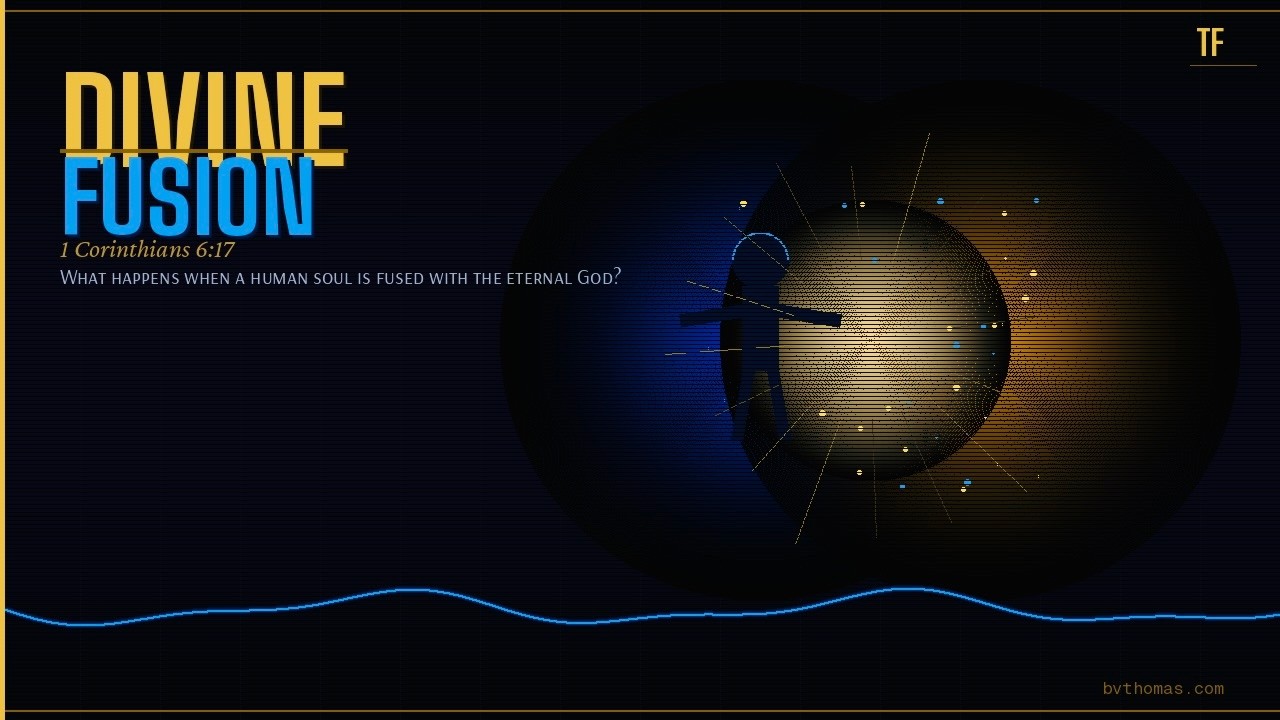
For the child of God, trust is not a labor, not a technique to master. It is innate, ontological — born of regeneration. In the old covenant, Israel was commanded to trust and love God with all their heart, soul, and strength. The command was holy, the requirement right, but the heart was unchanged, and it royally failed — exposing the brutal truth that trust cannot be commanded into existence. It must be begotten. The new covenant changes everything: “I will give you a new heart… I will put My Spirit within you” (Ezek 36:26–27). The Spirit of the Son cries “Abba, Father” within us (Rom 8:15; Gal 4:6), uniting our weakness to Christ’s perfect trust. “He who is joined to the Lord is one spirit with Him” (1 Cor 6:17). Trust becomes the natural motion of shared life — like breath to lungs, like a vine trusting the root.

Yes — weakness and lack of trust are not the same. A bruised reed bends but remains attached; it draws life from the source (Isa 42:3). The child is weak precisely because it trusts — its weakness is the expression of faith, not its defect. Trembling faith is not unbelief; momentary panic is not settled suspicion of the Father’s character. “Lord, I believe — help my unbelief!” (Mark 9:24). Even when we stumble, He does not withdraw; He reassures. The astonishing thing: the unbegun, unending God does not say “Trust Me or else.” He says, “I am with you.”

Love begets trust — because God is love (1 John 4:8). Everyone born of God participates in that love, and love, by its nature, rests, relies, entrusts itself. Perfect love casts out fear not by scolding but by displacing it. In storms, godly sorrow bends Godward and anchors the soul; worldly sorrow curves inward and collapses (2 Cor 7:10). The child of God carries an internal lean — a default orientation toward the Father — even in grief, confusion, or affliction. “Afflicted in every way, but not crushed; perplexed, but not driven to despair” (2 Cor 4:8). That lean is the quiet triumph: sorrowful, yet always rejoicing; weak, yet upheld; shaken, yet anchored — because beneath the soul is Love Himself.

The ultimate purpose of redemption is not merely escape from sin but return to the Father — every soul coming home to find its true identity and worth. Outside Him, the soul is fractured, chaotic, wandering. In Him, it finds rest. Jesus is the Way, yet sadly many believers stop at Jesus — their Savior, Lord, teacher — without pressing through to the destination. “No one comes to the Father except through Me” (John 14:6). The Spirit, self-effacing and glorious, guides us into the love and presence of the Father and the Son. His cry of “Abba” within us is thrilling — our weakness joined to the Son’s perfect joy in the Father. This is participation in the eternal movement of Trinitarian love.

And this sonship was no afterthought — it was forethought! Before the foundation of the world, “He predestined us in love for adoption as sons through Jesus Christ to Himself, according to the good pleasure of His will” (Eph 1:4–5). Love came first. Creation itself was shaped with this intention — to bring many sons to glory. The Fall did not surprise God or force His hand. In His hidden wisdom — that mystery ordained before the ages (1 Cor 2:7) — He permitted evil to overreach, allowing the powers to act according to their own prideful nature.

Here’s where the wonder deepens — and yes, the “childlike grin” breaks through, brighter than ever.

Long before Eden, rebellion stirred in hidden heavenly places: the morning star, Hêlêl, fell in pride (Isa 14:12–15; Ezek 28:12–17), that ancient spirit of Leviathan twisting in contempt (Isa 27:1; Job 41). Anointed as covering cherub, overseer in the garden of God (Ezek 28:13–14), his heart corrupted by splendor and violence — cast down, yet his shadowed accusation lingered, leaving even the heavens not fully clean in rebellion’s wake (Job 15:15; 4:18; 25:5). The case echoed across ages, pride sowing doubt among the watchers.

But God, in manifold wisdom, chose the “perfect arena” for eternal closure: this very earth — Hêlêl’s failed domain, the tainted garden now under rebellion’s shadow. Vulnerable humanity formed from its dust, “a little lower than the angels” (Ps 8:5). What looked like weakness — animated earth, fragile image-bearers in the overseer’s corrupted territory — concealed destined glory.

The enemy, blinded by the same pride, saw contemptible dust in his former stronghold and overreached, itching to strike, to corrupt, to seize forever. He thought he was dealing a fatal blow, lunging at the heel through temptation and ultimately the cross (Gen 3:15) — right here, in the realm he had ruined.

Yet in taking that “bait” of apparent weakness (not deception from God, who cannot lie, but sovereign judicial permission — withholding full disclosure, letting pride exhaust itself under truth), he crushed his “own” head. “Wow” — one stone, two birds, on a cosmic scale! What “grand justice”: the failed overseer’s domain becomes his undoing, his stronghold the birthplace of his Destroyer. The cross disarmed the rulers and authorities, exposed them naked, and made a “public spectacle” of them before all creation, triumphing over them in it (Col 2:15). Through the church, this manifold wisdom is now displayed even to the powers in heavenly places (Eph 3:10).

The original hidden rebellion receives open, witnessed verdict. Pride — that Leviathan spirit — is judged not in secret force but in humble love made perfect in weakness, raised from the very earth it despised. The lingering case, echoing perhaps across unfathomed ages, is closed forever at Calvary: heavens cleansed, accusations silenced, every mouth stopped. All creatures — angels who beheld the shadow, powers who joined the lie — now see evil condemn itself freely, while the dust of this contested realm is exalted to life-giving spirits, co-heirs with the eternal Son (1 Cor 15:45–49).

No wonder angels long to look into these things (1 Pet 1:12), staggered by what pride never imagined: contempt turned to crown, failed stewardship to perfect obedience, hidden accusation to public vindication, ancient fall to eternal triumph.

The Elder Brother has won the decisive victory. The head is crushed; the enemy is defeated, though not yet finally removed. The  sons called not to fight for victory but from victory — “hearts liberated, no longer giving place to the devil, enforcing the triumph within and without”. “The God of peace will soon crush Satan under your feet” (Rom 16:20). Their weapons are not carnal but mighty through God for pulling down strongholds (2 Cor 10:4) — by the Spirit and might of the Elder Brother, trampling serpents and scorpions (Luke 10:19), resisting lies, advancing light, extending reconciliation. Like David beheading Goliath while Israel pursues the fleeing Philistines — the decisive blow is struck, and the younger brothers deal with the lingering spirits of Goliath. While the dust of this contested realm is exalted to life-giving spirits, co-heirs with the eternal Son — “hearts once held in shadow now throned with Christ, the usurper’s seat uprooted forever, making room for the Spirit’s indwelling life.”

What a mighty household! Flabbergasting — no oligarch, no empire-builder could craft such a family: destined in love, redeemed through sacrifice, empowered by the Spirit, destined to reign. Heaven rejoices over one repentant sinner (Luke 15:10) because one soul is of infinite worth — more than the whole world. Each redeemed life is a fresh display of the Father’s purpose, a spark in the eternal tapestry.

In the end, even the Son Himself will be subject to the Father, that God may be all in all (1 Cor 15:28). His ways are mysterious, His wisdom manifold, His love unsearchable. This is not abstract doctrine. This is home — thrilling, secure, eternal. The soul’s journey: from the Father, through the Son, in the Spirit, back to the Father forever.

Yes — wow. That’s the right response at this altitude.


One Spirit With the Lord: The Staggering Mystery of Divine Sonship and Cosmic Glory

Introduction: A Union Beyond Imagination

“But he that is joined unto the Lord is one spirit” (1 Corinthians 6:17).

This single verse contains a bombshell of glory that most believers walk past without explosion. Paul uses the strongest Greek word for bonding—kollōmenos (“glued” or “cemented”)—the same term for marital or illicit physical union—to describe our connection to Christ. We are not merely close to Him; we are fused to Him in an inseparable, organic oneness. His Spirit has become our spirit. His life pulses as our life.

This is not forensic fiction or distant fellowship.

This is vital union—the heart of the gospel.

The New Birth: Begotten by Incorruptible Seed

We are not patched-up old creatures. We are new creations (2 Corinthians 5:17), born again “not of corruptible seed, but of incorruptible, by the word of God which lives and abides forever” (1 Peter 1:23).

The gospel is divine sperma—living seed implanted in the believer, germinating eternal life. This is divine generation: the Father begetting many sons through the same power that overshadowed Mary to beget the Only-Begotten. The result? A new species of being—heavenly men and women carrying the family DNA of God.

The Cry of Sonship: The Spirit of the Son in Our Hearts

“Because ye are sons, God hath sent forth the Spirit of his Son into your hearts, crying, Abba, Father” (Galatians 4:6).

Through the lens of 1 Corinthians 6:17, this verse ignites. We are one spirit with Christ, so the eternal cry of the Son—“Abba”—now rises spontaneously from our united spirit. This is not imitation; it is participation. The same intimacy the Son has always known with the Father is now ours by birth and union.

Romans 8:15–16 confirms: the Spirit bears witness with our spirit that we are children of God. The witness is intimate because the spirits are one.

Life-Giving Spirits: The Destiny of the Last Adam’s Brethren

“The last Adam was made a life-giving spirit” (1 Corinthians 15:45).

The first Adam became a living soul and transmitted death. The last Adam is Life itself and imparts resurrection life to all in Him. We who are heavenly bear His image (v. 49)—not just living souls, but life-givers. By the gospel, we quicken dead souls. By faith, we release healing and authority. One day, in glorified bodies, we will radiate the same zōopoioun power that raised Christ.

Creation’s Groan and the Sons’ Unveiling

“The earnest expectation of the creation waits for the manifestation of the sons of God… that the creation itself also shall be delivered from the bondage of corruption into the glorious liberty of the children of God” (Romans 8:19–21).

The cosmos is not waiting for evacuation; it is waiting for revelation. When the full doxa of these new creatures—conformed to the image of the Son—is unveiled at the redemption of our bodies, corruption will flee. Thorns will retreat. Death will be swallowed up. The life-giving spirits will flood creation with resurrection glory.

Partakers of the Divine Nature: Likeness Without Rivalry

“Whereby are given unto us exceeding great and precious promises: that by these ye might be partakers of the divine nature” (2 Peter 1:4).

We share the Son’s divine life—His holiness, righteousness, and eternal nature—by grace and new birth. When we see Him, “we shall be like him; for we shall see him as he is” (1 John 3:2). Full Christ-likeness: body, soul, and spirit.

Yet we remain sons, not the Father. We are sustained every moment by the Fountainhead of life. This distinction is not limitation—it is the beauty of sonship. Human children share their father’s identical human nature without becoming the father. How much more the sons of God! We reflect Him perfectly, yet worship Him eternally.

This is the Father’s pride and delight: a vast household filled with children who bear undiluted resemblance to His Firstborn—love without rivalry, glory without confusion.

Conclusion: The Eternal Purpose Unveiled

God did not ransom slaves merely to forgive them. He begat sons to display His glory through them forever. The mystery hidden from ages is “Christ in you, the hope of glory” (Colossians 1:27)—multiplied in many brethren who will rule the new creation as mature, life-giving co-heirs.

Believer, you are not distant from God. You are glued to Him—one spirit, one life, one destiny. Meditate on this union. Yield to this seed. The “Abba” cry is rising in you. Creation is groaning for your manifestation.

The Father is smiling. The Son is interceding. The Spirit is witnessing.
And the universe will soon behold the family resemblance in full array.

Glory to God alone, through the Son, by the Spirit—forever!

🎧 Thank you for reading! You can also listen to this reflection as a podcast:

youtube placeholder image

Faith Working Through Love: The Organic Life of the New Creation

A Biblical Theology of Grace from Reception to Perfection

In the heart of Paul’s letter to the Galatians stands a quiet verse that unlocks the entire mystery of the Christian life: “The only thing that counts is faith working through love” (Galatians 5:6). Not faith “and” love as separate virtues to be balanced on a scale. Not faith “plus” works as a formula to be calculated. But faith “energized” by love—one living reality, like a heart that beats and a body that moves because blood is flowing.

This is no mere doctrinal footnote. It is the engine of the new creation. Faith is the source, love the channel, works the fruit. Reverse the order, and you get legalism or hypocrisy. Remove any part, and life drains away. Yet when grace ignites faith, and faith yields to love, the righteousness once demanded by the law is fulfilled—not by straining effort, but by divine life flowing freely.

The Gift: One Package Delivered by Grace

Everything begins with a single act: believing in the Son of God.

The moment a soul leans its heart toward Christ—trusting not its own goodness, but His finished work—grace delivers a complete package. Eternal life is received immediately (John 5:24). The Holy Spirit is given without delay (Galatians 3:2). Precious faith is imparted as a gift, equal in value to that of the apostles (2 Peter 1:1). The love of God is shed abroad in the heart (Romans 5:5). Union with Christ is established forever (1 Corinthians 1:30).

Nothing essential is missing. No further transaction is required to “complete” salvation. Growth is not about adding what was absent, but unfolding what was already given. As Jesus taught in the Synoptics, the kingdom arrives like a mustard seed—tiny, yet fully alive—or like leaven that quietly transforms the whole (Matthew 13:31–33). The seed is perfect in essence from the beginning; it only awaits manifestation.

This faith is not manufactured by human resolve. Humans already believe—in leaders, systems, ideologies. That capacity is universal. But saving faith is that same capacity redirected by grace toward the true Giver of life. “No one can come to Me unless the Father draws him” (John 6:44). Grace does not create belief from nothing; it awakens and orients the heart toward Christ.

To refuse this offer is to remain condemned—not by arbitrary divine wrath, but by rejecting the only source of life (John 3:18). Yet to receive it is to inherit everything: a spirit of faith (2 Corinthians 4:13), love as the core virtue, and the promise of eternal inheritance.

The Flow: Grace Received, Love Expressed, Fruit Revealed

Scripture never presents faith as sterile doctrine or love as sentimental feeling. Faith works “through” love, and love takes visible form in works.

Paul and James are not opponents but allies. Paul defines the engine: faith energized by divine love. James points to the exhaust: if faith is real, it will appear in deeds. “Show me your faith without works,” James challenges, “and I will show you my faith by my works” (James 2:18). Works do not create or sustain faith; they reveal it. Dead orthodoxy claims belief without transformation. Living faith cannot help but bear fruit.

The order is crucial:

– Grace gives life.

– Faith receives life.

– Love expresses life.

– Works reveal life.

Reverse it—trying to produce works to earn love, or love to secure faith—and you fall into self-righteous effort. But in God’s design, love fulfills the law organically: “The whole law is fulfilled in one word: You shall love your neighbor as yourself” (Galatians 5:14). As Paul declares elsewhere, “The righteousness of the law is fulfilled in us who walk not after the flesh but after the Spirit” (Romans 8:4).

This is why Jesus, in the Synoptic Gospels, frames discipleship as costly yet restful. “If anyone would come after Me, let him deny himself and take up his cross daily” (Luke 9:23). The call is radical—count the cost, sell all, follow without looking back (Luke 14:25–33). Yet the yoke is easy, the burden light (Matthew 11:28–30). Why? Because self-denial is not self-powered grit; it is yielding to the life already given, putting to death the deeds of the body “by the Spirit” (Romans 8:13). Ongoing repentance and mortification are not add-ons to grace but the natural rhythm of abiding in the Vine.

The Cultivation: Abiding, Sowing, Yielding

Jesus distills the entire Christian ethic to one invitation: “Abide in Me” (John 15:4).

A branch does not strain to produce grapes. It simply remains connected to the vine, drawing life without ceasing. Fruit appears inevitably where union persists. “Apart from Me you can do nothing,” Jesus warns—not “not enough,” but “nothing”. Prayer, obedience, service—all flow from dependence, not as proofs of sincerity but as expressions of trust.

Yet abiding is not passivity. Paul urges us to “sow to the Spirit” diligently (Galatians 6:7–8). Prayer, meditation on the Word, acts of love—these are our cooperation, our consent to the Spirit’s movement. The slothful cannot expect harvest, for the Spirit works through yielded hearts, not negligence. Daily repentance, turning from sin, crucifying the flesh—these are the branch’s refusal to disconnect, the heart’s ongoing “yes” to grace.

The Word abides in us not as accumulated information but as living speech carried by the Spirit (John 15:7). It reorients reality, resisting substitutes like law, fear, or self-effort. Fruit—love, joy, peace, patience—emerges quietly, in season (Galatians 5:22–23).

The Refining: Trials and the Perfection of Faith

Faith is a gift, but its full glory shines in the fire.

Trials are not accidents but divine appointments. “The testing of your faith produces patience… that you may be perfect and complete, lacking nothing” (James 1:3–4). Fire exposes hypocrisy, purifies motives, strengthens endurance. Words alone are insufficient; God weighs the heart through testing (1 Peter 1:6–7).

Abraham stands as the archetype. His faith—begun by grace, credited as righteousness (Romans 4)—was perfected when tested to the brink. Offering Isaac, he trusted God’s promise against all evidence, “accounting that God was able to raise him from the dead” (Hebrews 11:17–19). Perfected faith is not sinless flawlessness but mature trust that obeys under fire.

Hebrews sharpens this with solemn warnings: Do not harden your hearts as in the wilderness (Hebrews 3–4). Hold fast the confidence you had at the beginning (Hebrews 10:35–39). Those who shrink back face destruction, but “we are not of those who shrink back… but of those who have faith and preserve their souls” (Hebrews 10:39). Perseverance is not optional; it is the evidence that faith was genuine. Yet even here, grace sustains: we enter God’s rest “through faith”, not effort.

The Warning: Imputation vs. Presumption

Righteousness is imputed only to those who walk in Abraham’s footsteps—not ritual performance, but dependent trust (Romans 4:22–24).

Many practice religion—attend services, observe morals, claim faith—yet lack the living reality. Their works are empty, their profession dead (James 2:14–17). Presumption assumes grace without receiving it through faith. Conceit trusts self-generated righteousness. Both deceive themselves, substituting outward form for inward transformation.

Jesus’ warnings in the Synoptics echo this: “Not everyone who says to Me, ‘Lord, Lord,’ will enter the kingdom… Many will say to Me in that day, ‘Did we not…?’ And I will declare, ‘I never knew you'” (Matthew 7:21–23). Fruit inspectors are needed because trees are known by their fruit (Matthew 7:15–20). Narrow is the gate, and few find it—not because God withholds, but because few enter by faith alone.

The Glory: God Pleased by Trust

Without faith it is impossible to please God (Hebrews 11:6). Not because He demands heroic effort, but because faith is the only way to know Him as He is: Rewarder, not Taskmaster.

Pleasing God is agreement—believing that He exists and rewards those who seek Him. Grace gives. Faith receives. Love reveals. And the Father is glorified not by anxious striving, but by branches heavy with fruit (John 15:8).

This is the astonishing harmony of Scripture: the law commanded what faith now creates, love reveals, and perseverance proves—all by the Spirit, all to the praise of grace.

In the end, the Christian life is not a checklist but a location: abiding in Christ. Remain there, and fruit will argue the rest. The seed planted by grace will grow into the full stature of maturity, bearing much fruit, enduring every trial, and inheriting the promise.

For the only thing that counts is faith—working through love.


From Slaves to Sons: The Audacious Glory of New-Covenant Sonship

It began with a single verse—Galatians 4:1—and unfolded into a revelation that shakes the soul: “I mean that the heir, as long as he is a child, is no better than a slave, though he is lord of all the estate.”

On the surface, the words seem paradoxical. An heir who owns everything, yet lives under restraint—like a slave. To the natural mind, this is mind-boggling. To the Spirit-awakened heart, it is the story of every believer in Christ.

What follows is not a mere theological exercise. It is a journey through Scripture, experience, and awe—a living testimony of how the gospel moves us from minority to maturity, from Adamic poverty to audacious heirship, from “poor me” to “Abba, Father.”

1. The Heir in Minority: Israel, Christ, and Us

Paul’s imagery in Galatians 4:1–7 is redemptive-historical gold. Israel, the covenant heir, lived under the Law as a child under guardians and stewards—holy, preparatory, yet temporary. The Law was not false; it was pedagogical, pointing to the fullness of time.

Then Christ entered the story from the inside:

“But when the fullness of time had come, God sent forth His Son, born of a woman, born under the Law, to redeem those who were under the Law, that we might receive adoption as sons.” (Gal 4:4–5)

Jesus did not abolish the Law from afar. He became the true Israel, the true Heir, living its story perfectly to bring it to its telos. And because we are united to Him, His sonship becomes ours—not by imitation, but by participation.

“And because you are sons, God has sent the Spirit of His Son into our hearts, crying, ‘Abba! Father!’ So you are no longer a slave, but a son, and if a son, then an heir through God.” (Gal 4:6–7)

This is not replacement theology. It is inclusion by grace. Israel’s story, fulfilled in Christ, now enfolds Gentiles who believe. We share the same trajectory: from bondage to sonship, from minority to inheritance.

2. Not Lawless, but Under a New Law

We are no longer under the Mosaic Law in its covenantal sense (Rom 6:14). Yet we are not antinomian. Paul is clear: we are “not being without law toward God, but under the law of Christ” (1 Cor 9:21).

The old Law was external—commanding, restraining, condemning. The law of Christ is internal, relational, cross-shaped: “Bear one another’s burdens, and so fulfill the law of Christ” (Gal 6:2). It is empowered by the Spirit of life who sets us free from the law of sin and death (Rom 8:2).

Obedience is no longer compliance out of fear. It is the obedience of faith (Rom 1:5; 16:26)—faith expressing itself in lived allegiance. Desire precedes action. Identity produces fruit. Sons obey because they are sons.

As Augustine captured it: “Love God, and do what you will.” True love fulfills holiness because it flows from transformed affection.

3. Imputation and Impartation: Righteousness Credited, Holiness Worked

Righteousness is never earned or increased by obedience. It is imputed—credited to us through union with Christ (Rom 4:6; 2 Cor 5:21). Justification is a decisive transfer: from death to life, from enmity to peace with God.

Sanctification, however, is the progressive supplanting of the old by the new. The law of sin and death loses dominion because we are under grace (Rom 6:14). The Spirit causes us to walk in God’s statutes (Ezek 36:27). What the Law demanded but could not supply, the Spirit now produces: “that the righteous requirement of the law might be fulfilled in us, who walk not according to the flesh but according to the Spirit” (Rom 8:4).

We partake of the divine nature (2 Pet 1:4)—not becoming God in essence, but sharing His moral life, holiness, and glory by participation. Positionally, we are fully righteous. Conditionally, that righteousness is increasingly embodied as Christ is formed in us (Gal 4:19).

4. Born of God: A New Creation from Above

Here the wonder deepens. Regeneration is not moral improvement or symbolic adoption. It is real begetting.

– “That which is born of the Spirit is spirit” (John 3:6).

 – “His seed remains in him” (1 John 3:9).

 – “Born again… through the incorruptible seed, the word of God that lives and abides forever” (1 Pet 1:23).

The new spirit originates from God Himself—divine in source, heavenly in nature. We are no longer merely Adamic; we are a new creation (2 Cor 5:17), created according to God in righteousness and true holiness (Eph 4:24).

This is not essence-identity. God remains God, the unbegotten source. We are begotten, derived, forever dependent. Yet the life communicated is genuinely His—participatory, transforming, eternal.

We bear the image of the heavenly Man (1 Cor 15:49). “When He appears, we shall be like Him, for we shall see Him as He is” (1 John 3:2). Not in aseity or self-existence, but in immortality, glory, and incorruption.

And when the sons of God are revealed in doxa, creation itself will be liberated from its bondage to corruption (Rom 8:19–21). The meek shall inherit the earth—not by autonomous power, but through the reign of Christ mediated in His glorified body.

5. The Audacity of Identity: From “Poor Me” to Heirship

Yet how many heirs live as slaves?

The Adamic mindset—fear, shame, smallness—dies hard. The enemy’s strategy is simple: keep supreme beings living like mere men, tossed to and fro, dragged by circumstance and lie.

Maturity requires audacity: the bold refusal to be defined by the flesh any longer (2 Cor 5:16). We must put off the old self and put on the new by the renewing of the mind (Rom 12:2; Eph 4:22–24).

One evening, walking the city streets, I felt the weight of present insufficiency pressing in. The ungodly seemed to prosper; believers felt like strangers owning nothing. Then truth rose within: “The earth is the Lord’s, and the fullness thereof. I am His heir.”

Despair turned to joy. Not because circumstances changed, but because perspective did. The world lies in the power of the evil one—for now. But the kingdom is coming, literally. We shall reign with Him. Christ is our wealth, our home, our righteousness, our life.

This is pilgrim realism: “as having nothing, yet possessing everything” (2 Cor 6:10). Outwardly transient, inwardly rich. Like Asaph in Psalm 73 or the heroes of Hebrews 11—strangers on earth, yet confessing a better country.

6. The Awe That Undoes Us

What is man that You are mindful of him?

What kind of love is this—that the Father would beget children from above, make slaves into co-heirs with His eternal Son?

This truth does not inflate. It humbles. The deeper we see our inheritance, the clearer we see God’s grace. We did nothing to deserve household status. We were taken in, sealed, named.

And the proper response is not entitlement, but worship.

Not self-reference, but Abba-cries from the heart.

Not shrinking back, but audacious living as sons.

For though we are heirs—lords of the estate—we once lived as minors. Now the Spirit awakens us. The fullness of time has come. The Son has redeemed us.

And one day, the inheritance will be fully ours.

Until then, we walk with wonder, humility, and hope—refusing to live small, because the God who calls us sons is magnificently, unspeakably great.

“See what kind of love the Father has given to us, that we should be called children of God—and so we are.” (1 John 3:1)


Can We Lose Salvation?

The Question That Requires an Answer

Let me state plainly what this article will argue, because the question deserves a plain answer.

No. Salvation cannot be lost through the battle with remaining sin. But yes — it can be forfeited through the deliberate, willful rejection of the Christ who saved you. These are not the same thing. And the failure to distinguish them has produced either presumptuous sinners or terrified saints. Neither posture serves the gospel.

The text that anchors this inquiry is 1 Corinthians 5:5: “To deliver such a one unto Satan for the destruction of the flesh, that the spirit may be saved in the day of the Lord Jesus.” Paul is not declaring this man’s eternal security despite his wickedness. He is pronouncing remedial judgment — handing a man over to suffering so that his spirit might be saved. The Greek expresses intention, not guarantee. This is God’s discipline, not God’s dismissal. And the distinction carries everything.

The Distinction That Changes Everything

There are two categories of spiritual failure that Scripture consistently refuses to conflate — and we consistently do.

The first is the battle with remaining sin. Paul describes it with brutal candor: “For the good that I would I do not: but the evil which I would not, that I do” (Romans 7:19). This is not the language of a backslider. This is the language of the regenerate man at war with his own flesh. Sin is present with us until the Lord transforms this vile body (Philippians 3:21). “If we say that we have no sin, we deceive ourselves, and the truth is not in us” (1 John 1:8). Nothing good dwells in our flesh (Romans 7:18). That is not a disqualification — that is the condition of every person Christ came to save. He did not come for those who are whole. He came for the sick (Luke 5:31). He did not come to destroy men’s lives, but to save them (Luke 9:56). He did not die for the righteous. He died for the ungodly (Romans 5:6). “This is a faithful saying, and worthy of all acceptation, that Christ Jesus came into the world to save sinners; of whom I am chief” (1 Timothy 1:15).

The second is apostasy — the deliberate, conscious turning away from Christ. Not failure. Not weakness. Not the trembling cry of “I believe; help my unbelief” (Mark 9:24). But the willful abandonment of the path of life — the rejection of offered grace, the defiant choice to prioritize the world over the Lord who purchased you. This is what Hebrews calls “falling away” (6:4–6), what Peter calls “forsaking the right way” (2 Peter 2:15), what Paul frames with terrible clarity in Romans 11:22: “not continuing in his goodness.”

Acts 3:14 and 13:46 record certain Jews who deliberately turned their backs on God and His truth. Romans 1:21–28 charts the same descent — not as a sudden collapse, but as a series of choices, each darker than the last, until God gives them over to a reprobate mind. And note: it is the goodness of God that is designed to lead a man to repentance (Romans 2:4). When that goodness is despised and that long-suffering exhausted, what remains is “tribulation and anguish, upon every soul of man that doeth evil, of the Jew first, and also of the Gentile” (Romans 2:9). But on the other side of that same moral order: “glory, honour, and peace, to every man that worketh good, to the Jew first, and also to the Gentile” (Romans 2:10). The severity and the reward are both real. The universe is not morally indifferent to what you do with the grace you have been given.

A tendency toward sin does not separate you from God. The rejection of a life of righteousness does. Through faith in Christ we have access to grace, in which we stand (Romans 5:2). But “let him that thinketh he standeth take heed lest he fall” (1 Corinthians 10:12). The standing is real. The warning is also real.

This distinction is not a loophole. It is the theological spine of the gospel. To threaten every stumbling believer with the loss of salvation is to preach a gospel where the keeping is ultimately in your hands, not His. But to teach that nothing a person chooses can ever sever them from God — that apostasy is impossible, that willful defiance carries no eternal consequence — is equally a lie. It flatters the flesh and empties the warnings of Scripture of their meaning. Both errors kill. One through despair; the other through presumption.

What Actually Threatens Salvation: Apostasy

Hebrews 6:4–6 is the passage every comfort-preacher avoids and every grace-abuser wishes did not exist.

“For it is impossible for those who were once enlightened, and have tasted of the heavenly gift, and were made partakers of the Holy Ghost, and have tasted the good word of God, and the powers of the world to come, if they shall fall away, to renew them again unto repentance; seeing they crucify to themselves the Son of God afresh, and put him to an open shame.”

The writer is not describing the unconverted. He is describing the enlightened — those who have tasted the heavenly gift, shared in the Holy Spirit, experienced the goodness of God’s word and the power of the age to come. This is covenantal language. This is insider language. These are people who knew. And the writer says: if they fall away, restoration is impossible. Not difficult. Impossible. Because in falling away they have re-crucified the Son of God — they have taken their stand on the side of those who said He deserved to die. That is not a position from which repentance is available, because repentance requires turning toward the One you have now publicly rejected as your enemy.

Hebrews 10:38–39 does not retreat: “If he shrinks back, my soul has no pleasure in him.” Those who go on sinning willfully after receiving the knowledge of the truth find that “there remaineth no more sacrifice for sins, but a certain fearful looking for of judgment” (10:26–27). The willful sin in view is not the sin of the flesh — it is the sin of defection. The deliberate, informed abandonment of Christ.

Even by continuing to harbor hatred and walk after the flesh, one could remove oneself from the life of God (1 John 3 and 4). John is not describing an occasional moral failure — he is describing a sustained disposition of the heart that, left unchecked and unrepented, reveals itself as incompatible with the life of God. “Whosoever hateth his brother is a murderer: and ye know that no murderer hath eternal life abiding in him” (1 John 3:15). Hatred is not a lesser sin because it leaves no marks on the body. When it becomes the settled posture of the heart, it marks its possessor as belonging to the wrong family.

And those who not only practice such things but “have pleasure in them that do them” (Romans 1:32) — who celebrate, endorse, and normalize the rebellion — have crossed a threshold that mere commission alone does not cross. There is a hardening that happens in the applause. A searing of conscience. A momentum toward the point of no return.

Jesus put the same truth in the language of the vine: “Remain in me, as I also remain in you. No branch can bear fruit by itself; it must remain in the vine” (John 15:4–5). The branch that does not remain is taken away (v. 2), withers (v. 6), and is cast into the fire. This is not decorative metaphor. This is a direct statement about what happens to those who disconnect themselves from the source of life. The vine does not sever the branch — but a branch can cease to draw life from the vine. And when it does, the withering is inevitable.

Romans 11:22 states it with both edges exposed: “Behold therefore the goodness and severity of God: on them which fell, severity; but toward thee, goodness, if thou continue in his goodness: otherwise thou also shalt be cut off.” You were grafted in contrary to nature (v. 24). The root sustains you. But you must continue in His goodness. The cultivated tree does not permanently domesticate the wild branch by the act of grafting alone. The branch must draw life from the root it has been joined to. 2 Peter 2:15 is plain: those who have “forsaken the right way and gone astray” are not strangers who never knew the path. They knew it. They left it. 2 Peter 2:20 is starker still: for those who have escaped the pollutions of the world through the knowledge of the Lord and Savior, only to be entangled and overcome again, “the latter end is worse with them than the beginning.”

The stumbling man falls forward. The apostate turns around.

The Corinthian Case: Remedial Judgment, Not Damnation

Return now to 1 Corinthians 5:5 — because it is doing something specific, and we must not overread it in either direction.

The man in question has committed an act of sexual immorality so extreme that even the Gentile world would not name it (v. 1). Paul’s response is not pastoral sympathy. It is judicial: “deliver such a one unto Satan for the destruction of the flesh.” This is a covenantal act of excommunication — placing the man outside the protective covering of the assembly and into the domain of the adversary. The flesh, his disobedient and unrepentant body, will suffer for it.

But mark the purpose clause: “that the spirit may be saved in the day of the Lord Jesus.” Paul is not declaring the man’s spirit already secured regardless of his conduct. He is expressing hope through judgment. The suffering is the instrument of potential salvation, not the confirmation of guaranteed salvation. God is not abandoning this man. He is pursuing him through the only language his flesh appears to hear: pain.

The congregation itself, as Paul makes clear in 1 Corinthians 3:1–3, was spiritually gifted but carnally oriented — adult in gifts, infantile in character. Yet they remain the church of God, still addressed under apostolic authority, still recipients of grace. Carnal Christians are not unconverted Christians. They are Christians in danger. The rebuke is evidence of belonging, not rejection.

By 2 Corinthians 2:6–8, the discipline has almost certainly done its work — the same man is restored, and Paul urges the congregation to receive him with comfort, lest he be overwhelmed with sorrow. The judgment was remedial. It functioned. This is how God deals with sons. We were once ourselves alienated and enemies in our mind by wicked works (Colossians 1:21). And the answer to that condition was not condemnation — it was the cross and the ongoing work of reconciliation.

Fornication: Why This Sin Is in a Category of Its Own

The sin at the center of 1 Corinthians 5 is not incidental to the theological argument — it exposes something specific about the danger certain sins carry, and Scripture names that danger precisely.

“Flee fornication. Every sin that a man doeth is without the body; but he that committeth fornication sinneth against his own body” (1 Corinthians 6:18).

Paul establishes a taxonomy here. There are sins of the heart — hatred, bitterness, covetousness, pride — that originate inwardly and reach outward. These are deadly and cannot be minimized. Even the smallest root of bitterness carries the power to defile (Hebrews 12:15). Adultery begins in the heart before it reaches the hand (Matthew 5:28). Sins of the heart are not lesser sins. But when we walk in the light, the blood of Jesus Christ cleanses from all sin (1 John 1:7). If we confess our sins, He is faithful and just to forgive them (1 John 1:9). And if any man sin, we have an advocate with the Father — Jesus Christ the righteous (1 John 2:1). The provision for the stumbling believer is not absent. It is precise, and it is sufficient.

But fornication has a distinct character: it is the only sin Paul identifies as being committed against one’s own body. The body of the believer is the temple of the Holy Spirit (1 Corinthians 6:19). To commit fornication is to desecrate the temple — not symbolically, but physically and personally. This is why Esau’s sexual immorality cost him his birthright permanently; he found no place of repentance, though he sought it carefully with tears (Hebrews 12:16–17). This is why fornication heads the list of what provokes God’s wrath in Colossians 3:5–6 — alongside uncleanness, inordinate affection, evil concupiscence, and covetousness, all of which Paul groups under the category of idolatry. They are not merely moral failures. They are acts of worship redirected. They re-activate the dominion of sin over the mortal body (Romans 6:12–13), yoke the believer once again to the spirit of disobedience that kindles God’s wrath (Ephesians 2:2; Romans 2:8), and place a person among the children of disobedience rather than the children of God (1 John 3:10; Colossians 3:6). “Tribulation and anguish, upon every soul of man that doeth evil; of the Jew first, and also of the Gentile” (Romans 2:9). The moral gravity of the universe does not exempt believers. And those who not only practice such things but take pleasure in others who do (Romans 1:32) have moved beyond weakness into complicity — and complicity into hardening.

The Jerusalem Council placed fornication among the few absolute prohibitions issued to Gentile believers for the same reason (Acts 15:19–20). The Levitical prohibition the Corinthian man violated — uncovering his father’s nakedness through his father’s wife (Leviticus 18:7–8; 20:11) — carried a death sentence under the Law: “Both of them shall surely be put to death; their blood shall be upon them.” Paul does not invoke the death penalty. He invokes remedial judgment. Grace is operating within severity. But it is not grace without consequence.

Those who practice fornication “shall not inherit the kingdom of God” (1 Corinthians 6:9). That is not a pastoral qualification. That is a declarative warning. And yet — “such were some of you: but ye are washed, but ye are sanctified, but ye are justified in the name of the Lord Jesus, and by the Spirit of our God” (1 Corinthians 6:11). The past tense matters. What was is not what must remain. What Christ washed, the Spirit can sanctify. But the washing and the sanctifying are not passive. “That every one of you should know how to possess his vessel in sanctification and honour” (1 Thessalonians 4:4). The body is not abandoned to its appetites. It is governed, subdued, possessed — by the Spirit of God working through the will of a man who has yielded.

Jesus said that all sins shall be forgiven unto the sons of men (Mark 3:28). Why then was this man condemned in the flesh? Because forgiveness does not eliminate the consequence of sowing to the flesh. God’s mercy operates within the moral order He established. The discipline is the mercy — rightly understood.

Suffering as Preservation: God Dealing With Sons

The handing over of the Corinthian man to Satan for the destruction of the flesh is not an anomaly in Paul’s theology. It is the application of a principle woven throughout the New Testament: God preserves what belongs to Him through discipline, not around it.

“For judgment must begin at the house of God” (1 Peter 4:17). The fire does not fall first on the world. It falls first on the household. The tribulations the church suffers are not evidence of divine abandonment — they are evidence of divine attention. They are designed to eradicate the wicked nature from us, enabling us to live righteously (1 Peter 4:1–2, 12–13). God is refining what He owns before He presents it.

“For whom the Lord loveth he chasteneth, and scourgeth every son whom he receiveth” (Hebrews 12:6). The logic is unsparing: if you are without chastisement, “then are ye bastards, and not sons” (v. 8). The presence of discipline is not evidence of abandonment. It is evidence of belonging. God does not invest corrective suffering in those who are not His.

“For if we would judge ourselves, we should not be judged. But when we are judged, we are chastened of the Lord, that we should not be condemned with the world” (1 Corinthians 11:31–32). The condemned and the disciplined occupy two different categories. The world is condemned. The sons are disciplined. But the table of the Lord is not approached carelessly — “whosoever shall eat this bread, and drink this cup of the Lord, unworthily, shall be guilty of the body and blood of the Lord” (1 Corinthians 11:27). Drinking damnation to oneself is a real possibility for the carnal believer who refuses to discern what he is handling. “For this cause many are weak and sickly among you, and many sleep” (1 Corinthians 11:30). God’s discipline operates at that level of precision and severity. “He chastens him betimes” (Proverbs 13:24) — early, deliberately, with precision — “that we might partake of his holiness and yield the peaceable fruit of righteousness” (Hebrews 12:10–11).

Physical suffering subdues sin in the flesh (1 Peter 4:1–2). “He that hath suffered in the flesh hath ceased from sin.” This is not a promise that suffering produces sinlessness — it is a declaration that suffering breaks the dominion of sin over the body. Paul understood this with his whole being: “I keep under my body, and bring it into subjection: lest that by any means, when I have preached to others, I myself should be a castaway” (1 Corinthians 9:27). Read that sentence slowly. This is the apostle Paul — the man to whom the mystery of the gospel was revealed, the man who ascended to the third heaven, the man who planted churches across the known world. And he is saying that his own body, ungoverned, could disqualify him. Not false doctrine. Not a failed mission. The ungoverned body. He knew what was at stake — not in theory, but in daily practice — and he treated his flesh accordingly. If Paul could not afford to be casual about bodily discipline, neither can we.

The fiery trial is not strange. It is the refiner at work. Malachi saw it: “He shall sit as a refiner and purifier of silver” (Malachi 3:2–3). Patient. Deliberate. Burning away what does not belong until the image of the King appears in the metal.

Jesus Himself was made perfect through sufferings (Hebrews 2:10). He learned obedience by the things which He suffered (Hebrews 5:8–9). The Captain of our salvation did not come to perfection by a path that bypassed suffering — He came through it. And He came through it through the eternal Spirit — for it was through the eternal Spirit that He offered Himself without spot to God (Hebrews 9:14). The Spirit was the power of His unblemished obedience. The same Spirit is at work in us. He left us that example (1 Peter 2:21; Philippians 2:5). We are heirs of God, joint-heirs with Christ — “if so be that we suffer with him” (Romans 8:17).

Some will not attain spiritual maturity in this life — and Jesus acknowledged this with sobriety. Some may even enter life with impairments. He said it was better to enter lame than to face eternity whole and damned (Matthew 18:8). Life is not offered to the perfect. It is offered to the weak, the sick, the failing — to those who, despite the war they are losing in the flesh, have not turned away from the One who can win it for them. Godly sorrow, worked through suffering and discipline, produces repentance unto soteria — and that word carries its full weight: deliverance, preservation, safety, salvation (2 Corinthians 7:10). They are not four meanings. They are four dimensions of the same reality. God delivers because He preserves. He preserves because He keeps safe. He keeps safe because He saves. The discipline is the mercy.

The Spirit, Sanctification, and What Keeps Us

At the center of this question is an anthropological reality that must be stated plainly.

The regenerate spirit — recreated after God in righteousness and true holiness (Ephesians 4:24) — is not the same as the sinful flesh that still wars against it. Paul distinguishes them in Romans 7 not to excuse moral failure but to locate it correctly. The man born of God does not practice sin as his settled orientation — “whosoever is born of God doth not commit sin” (1 John 3:9). The Greek present tense is deliberate: does not habitually sin, does not sin as his defining mode of existence. This is not a claim to sinless perfection. It is a claim about direction. The regenerate man who falls still has a spirit that is repulsed by the fall. “Every one that doeth righteousness is born of him” (1 John 2:29). And “whoever believes that Jesus is the Christ is born of God” (1 John 5:1). The birth is real. The new nature is real. And the fruit of that nature, however slow to appear, will appear — because what has been made alive will eventually produce life.

Faith is the hinge. “To them that have obtained like precious faith with us through the righteousness of God and our Saviour Jesus Christ” (2 Peter 1:1). Faith received through Jesus Christ positions you rightly — before God, before the Spirit, before grace (Galatians 3:14, 23, 25). It grafts you into the vine. It entrusts you to the Spirit of God to work within you, removing the stains of sin and instilling righteousness. And Jesus is both the author and the finisher of that faith (Hebrews 12:2). He initiates what He intends to complete. The faith that saves is not a human achievement that then sustains itself — it is a gift that begins and ends in Him.

Scripture places the whole person — spirit, soul, and body — under the covenant of preservation: “And the very God of peace sanctify you wholly; and I pray God your whole spirit and soul and body be preserved blameless unto the coming of our Lord Jesus Christ” (1 Thessalonians 5:23). Preservation is God’s work. But it operates through the sanctification of the Spirit — not around it, not without it.

“Elect according to the foreknowledge of God the Father, through sanctification of the Spirit, unto obedience” (1 Peter 1:2). The election is real. But it operates through sanctification, not independently of it. God has chosen believers to salvation through the sanctification of the Spirit (2 Thessalonians 2:13). This means the Spirit’s work within the believer — washing, renewing, refining — is not an optional second stage. It is the mechanism of salvation itself. “This is the will of God, even your sanctification” (1 Thessalonians 4:3). “That every one of you should know how to possess his vessel in sanctification and honour” (1 Thessalonians 4:4). Christ in us is our sanctification (1 Corinthians 1:30). That sanctification comes through the washing of water by the Word (Ephesians 5:26), through the truth that sets apart (John 17:17), through the fire of suffering that purifies what faith has committed.

“Are ye so foolish? having begun in the Spirit, are ye now made perfect by the flesh?” (Galatians 3:3). You cannot. The flesh perfects nothing. You can only subdue it and keep it under control through the Spirit (1 Corinthians 9:27; Colossians 3:5). Walking in the Spirit is the only means by which the flesh is subdued (Galatians 5:16). Christ is our example — He left us a path to follow (1 Peter 2:21; Philippians 2:5). And He walked that path through the eternal Spirit, offering Himself without spot to God (Hebrews 9:14). The Spirit that sustained His unblemished obedience is the power available for ours.

We stand by grace alone — not by merit, not by achievement (Romans 5:2). That standing comes through faith in Christ and is sustained by the goodness of God (Romans 11:22). Walking in the light — however broken that walk — the blood of Jesus Christ cleanses from all sin (1 John 1:7). It is only by the goodness of God that we stand. “Be not highminded, but fear” (Romans 11:20). Not the fear that paralyzes — but the fear that keeps you close.

The Heart, the Tree, and the Fruit

The question of salvation is ultimately a question about what kind of thing you are — what has taken root in you, what is producing itself in the long testimony of your life.

“A good man out of the good treasure of his heart bringeth forth that which is good; and an evil man out of the evil treasure of his heart bringeth forth that which is evil” (Luke 6:45). The heart is the ultimate source — all the issues of life flow from it (Proverbs 4:23). A tree is known by its fruit (Matthew 12:33). James makes the same point with the economy of a master: a fountain does not send forth both sweet water and bitter from the same opening (James 3:10–12). Wisdom from above is pure, peaceable, gentle, full of mercy and good fruits (James 3:17).

Wisdom from below is earthly, sensual, devilish — and its fruit betrays its origin (James 3:15–16). The source of a man’s wisdom, and of his actions, reveals who he belongs to.

The children of God and the children of the devil are distinguished in one way: “whosoever doeth not righteousness is not of God” (1 John 3:10). Cain was of that wicked one — not because he sinned once, but because his works were consistently evil while his brother’s were righteous (1 John 3:12). And Jesus addressed those living in sustained, willful sin with the language of parentage: “Ye are of your father the devil, and the lusts of your father ye will do” (John 8:44). This is not polemical excess. It is a diagnostic statement. The desires a man consistently obeys declare whose son he is. “If ye were Abraham’s children, ye would do the works of Abraham” (John 8:39). The fruit does not lie.

The spirit of Leviathan — the ancient, undefeatable pride that Job witnessed and could not answer (Job 41:34) — exercises dominion over those who disobey, belong to the devil, or are consumed by pride (Ephesians 2:2). It is not a metaphor. It is a ruler. And the man who has given himself consistently to disobedience, pride, and defiance has invited that ruler in. “He that is of God heareth God’s words: ye therefore hear them not, because ye are not of God” (John 8:47). The ears that are stopped are not stopped by accident. They have been stopped by the one who now holds residence.

Those born of God do the works of faith. “Every one that doeth righteousness is born of him” (1 John 2:29). “Whoever believes that Jesus is the Christ is born of God” (1 John 5:1). As is the earthy, such are they that are earthy; as is the heavenly, such are they also that are heavenly (1 Corinthians 15:48; John 15:19). The Spirit of God produces fruit infused with goodness, righteousness, and truth (Ephesians 5:9). The spirit of disobedience produces the opposite (Ephesians 2:2).

This is not works-righteousness. This is the doctrine of fruit: what has been made alive will produce life. What has been regenerated will, in the long arc of its existence, bend toward God. The regenerate person who stumbles still has the Spirit that convicts, the grace that restores, the blood that cleanses, and an Advocate with the Father (1 John 2:1). The apostate has turned away from all four — deliberately, informedly, finally.

To be born of God — to enter the kingdom (John 3:5), to be translated into the kingdom of His dear Son (Colossians 1:13), to be cut from the wild olive and grafted into the cultivated root (Romans 11:24) — is not merely a legal transaction that thereafter operates without engagement. It is a new nature, a new orientation, a new center of gravity. We were once alienated and enemies in our mind by wicked works (Colossians 1:21). That is what grace overcame. And what grace overcame, it intends to keep — through the Spirit, through the Word, through suffering, through the relentless refining love of a Father who does not abandon His sons.

Conclusion
So — can we lose salvation?

Not through weakness. Not through the grinding battle with remaining sin. Not through the tears of a Romans 7 man who hates what he does and cannot stop. God is not standing over that man with a revocation notice. He is standing over him as a Father stands over a son — with a rod in one hand and a restoring grace in the other. He came for the sick, not the whole (Luke 5:31). He came not to destroy men’s lives, but to save them (Luke 9:56). He died for sinners, not the righteous (Romans 5:8). He keeps what belongs to Him through discipline, suffering, and the relentless refining work of His Spirit — not because we have earned the keeping, but because He is faithful and His gifts and calling are without repentance (Romans 11:29).

But yes — salvation can be forfeited. Not lost passively. Forfeited actively. Through willful apostasy: the deliberate turning from Christ, the knowing embrace of darkness over light, the sustained and final rejection of the grace that was repeatedly and specifically offered. The branch that refuses to remain in the vine does not slowly fade — it is taken away, it withers, it is cast into the fire (John 15:2, 6). The enlightened one who falls away cannot be renewed to repentance — not because God’s power is insufficient, but because in falling away they have taken their stand against the only One through whom repentance comes (Hebrews 6:6).

The answer is not comfortable. It is not designed to be. It is designed to be true.

Stand in the grace of God. Fear His severity. Trust His goodness. And know this: the same God who saved you while you were still His enemy (Romans 5:10) is more than able to keep you — if you do not make yourself His enemy again.